Table of Contents
Fats
Omega-3 & Omega-6
Both are necessary, however it is important to keep proper balance. Too much Omega-6 in relation to Omega-3 is probably bad. Best to keep to 4:1 to 3:1. Some western diets are as bad as 16:1.

Too much Omega-3 is bad as well
Symptoms
Low Omega-3
Lowered eyesight, muscular fatigue, numbness of extremities. Stunted growth in children. Depression.
Low Omega-6
Eczema, hair loss
Low Omega-9
Fatigue, poor digestion, constipation, dry skin and hair, brittle nails.
Omega-9
Omega-9 is better metabolized by the body
Cholesterol
Important for creation of hormones, both sexual and stress (estrogen, testosterone, progesterone; cortisol, aldosteron), vitamin D, bile. Also important for serotonin production.
Low levels of cholesterol lead to Alzheimer.
Minerals
Magnesium
Benefits
- Prevents high blood pressure, osteoporosis, clogged arteries, diabetes, stroke
Sources
Foods that are high in fiber are generally also high in magnesium
- Fruits
- Banana
- Avocado
- Cheese
- Nuts, legumes, seeds
- Sunflower seeds
- Pumpkin seeds (3x more than sunflower seeds)
- Fish
- “Hard” water
- Magnesium is also used for treating attention deficit-hyperactivity disorder (ADHD), anxiety, chronic fatigue syndrome (CFS), Lyme disease, fibromyalgia, cystic fibrosis, alcoholism, mania, recovery after surgery, leg cramps at night and during pregnancy, depression, diabetes, kidney stones, migraine headaches, a long-term pain condition called complex regional pain syndrome, weak bones (osteoporosis), premenstrual syndrome (PMS), altitude sickness, urinary incontinence, a condition that causes burning pain and redness called erythromelalgia, a disorder that causes a strong urge to move ones legs (restless legs syndrome; RLS), asthma, hayfever, multiple sclerosis, and for preventing hearing loss and cancer. 1)
Meat has very little
Calcium
Benefits
- Bones, teeth, heart, nerves, blood clotting.
- Binds to oxalates, which reduces kidney stones.
- Helps with PMS, pregnancy 2)
High sodium causes higher urination, which flushes out calcium, leading to higher risk of kidney stones. With higher sodium intake calcium intake should be increased as well for balance. 3)
Calcium-rich foods
- Seeds:
- Poppy
- Sesame
- Chia
- Cheese
- The harder the more calcium
- Calcium from dairy is easier to absorb than from plants
- Yogurt
- Canned Salmon, Sardines
- Beans and lentils
- Almonds
- Kale, Collard greens
- Rhubarb and spinach, which are also high in oxalates
- Edamame and tofu
- Figs
- Milk 4)
Potassium
Sources
- Lite salt (potassium chloride)
- avocadoes
Mercury
Selenium
Bad stuff
Oxalates
Oxalates are a natural substance in many foods. They bind to calcium during digestion in the stomach and intestines and leave the body in stool. Oxalate that is not bound to calcium travels as a waste product from the blood to the kidneys where it leaves the body in the urine. There are many different types of kidney stones, but 8 out of 10 stones are calcium oxalate stones 5)
Kidney stone avoidance
- Hydrate
- Consume calcium, so that it binds to oxalates before reaching kidneys
- Reduce protein?
- Limit foods with oxalates
Foods with oxalates
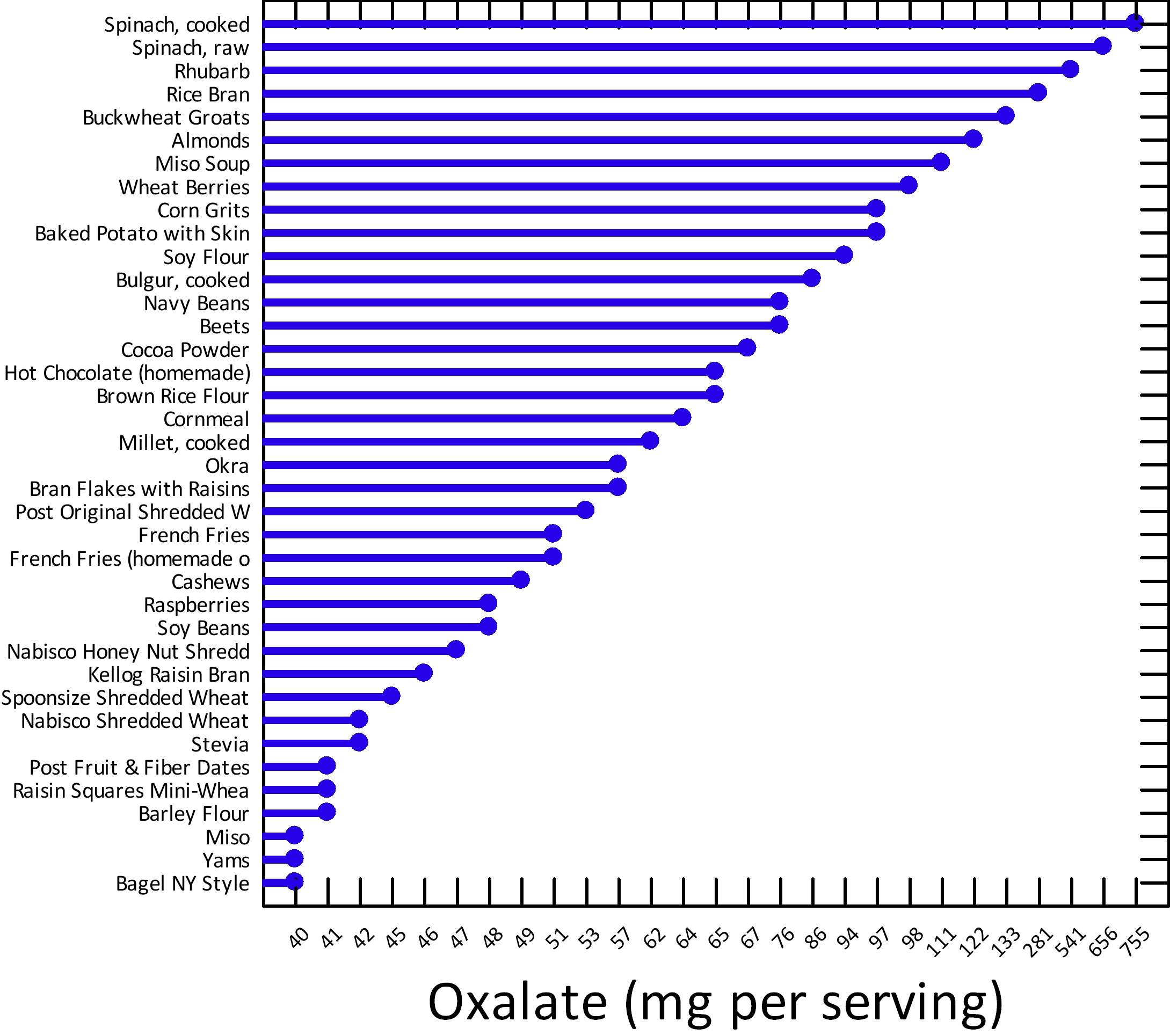
- Nuts, especially almonds
- Beets
- Rhubarb
- Spinach
- Miso Soup
- Potatoes with skin
- Cocoa Powder
- Okra
- Bran and Wheat cereals
- Buckwheat
- Sweet potatoes
- Raspberries6)
Phytates and lectins
side effects
Legumes have high levels of antinutrients including lectins and phytates, both of which can increase intestinal permeability, also called leaky gut 7)
Foods
- Legumes (beans, peanuts, etc)
- Lectins are also found in tomatoes, cucumbers
Sugar substitutes
Sugar Alcohols
These are carbs that don't exactly get metabolized by the body and end up being excreted with urine
- Erythritol is almost completely excreted in your urine, does not affect blood sugar, has very little calories and also is less likely to cause adverse intestinal symptoms [2], making it a perfect sugar substitute for keto desserts.
- Xylitol’s sweetness is very close to that of sugar but, because of its relatively low glycemic index, it does not affect blood sugar levels greatly. It can help with dental health, may help promote good bacteria in the gut, and has also been linked to increased collagen production [2]. However, it can cause gastric distress, so if you’re considering it for keto desserts or to sweeten a cup of tea it should be used sparingly (it is also extremely toxic for dogs and can be lethal).
- [BAD!]Maltitol is also very similar to sugar but with half the calories. The problem is it has a quite a high glycemic index, which means it can cause spikes in blood sugar levels [3]. For this reason, it is not recommended. 8)
Foods
Keto friendly veggies
- Asparagus: Low carb, lots of minerals, prebiotic fiber. Phytonutrients
- Cabbage: low carb, good sulphur, prebiotic fiber
- Broccoli: omega-3, minerals, phytonutrients
- Kale: Low Carb, omega-3, phytonutrients
- Celery: low carb
- Cucumbers
- Brussels sprouts: omega-3, vitamins, minerals, low carb
- Olives: vitamins, minerals, fats? 9)
- Coconut!!
Fruits/Berries
- Blackberries
- Raspberries
- Avocado
- stawberries
- tomato
- Lemons 10)
Cheese
What’s more, aged, hard cheeses are naturally low in lactose, making them easier to digest for people with lactose intolerance.
Dairy may have additional health benefits.
A recent study suggests it may lower the risk of heart disease (8Trusted Source).
Another study found that eating cheese daily was linked to a lower risk of metabolic syndrome, which raises your risk of heart disease, stroke and type 2 diabetes (9Trusted Source). https://www.healthline.com/nutrition/15-calcium-rich-foods#section2
Alcohol
- Alcohol has calories, and certain drinks have carbs.
- zero carb drinks:
- Vodka, whiskey, brandy, anything else that is pure distilled liquor
- lower carb drinks :
- some wines, light beer
- high carb: anything sugary, malt beer
- Alcohol tolerance will be lower on keto. Carbs absorb alcohol and moderate its metabolism. Low carb will lead to higher BAC, but will leave the system sooner.
- Alcohol is energy, but cannot be stored. Therefore alcohol energy will be processed first and foremost. Everything else will be on hold, including keto. 11)
Possible side effects during transition
| Side-effect | Causes | Solutions |
|---|---|---|
| “keto flu ” | liquid flush from reduced water retention causes loss of electrolytes | Salt |
| constipation | readjusting gut bacteria | probiotics, magnesium citrate suppl(at bedtime), bone broth |
| muscle cramps | loss of electrolytes | magnesium, potassium |
| diarrhea | can't process increased fat, changing gut bacteria | probiotics, bone broth |
| fatigue | electrolyte loss | salt, magnesium |
| palpitation | shifts in potassium, magnesium | potassium, magnesium |
| bloating | gut change | probiotic, bone broth |
Source: 12)